 Phone: +8613567545633
 E-mail: lanxiangmachine@foxmail.com
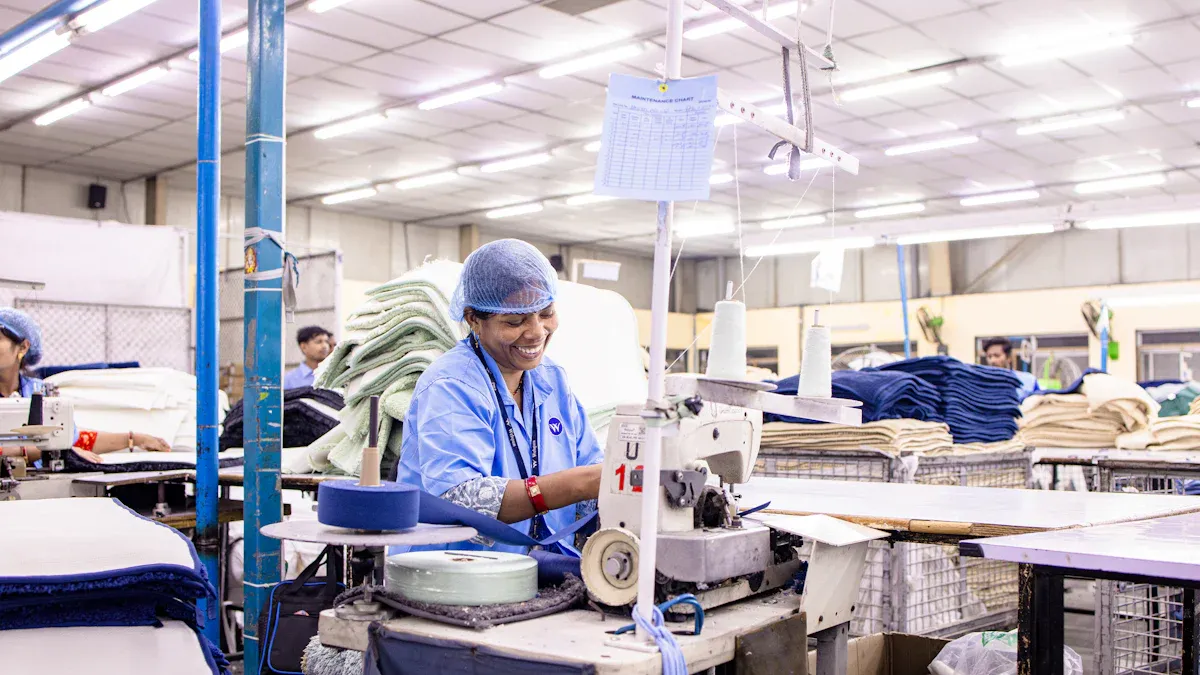
Advanced automatic chenille machines will significantly reduce downtime in the African textile industry by 2026. These machines integrate predictive maintenance, automated fault detection, and enhanced operational efficiency. Such features address persistent downtime challenges effectively. Every automatic chenille machine manufacturer contributes to this technological advancement. These innovations promise a more productive future for textile production.
Key Takeaways
- New automatic chenille machines will help African textile factories work better by 2026.
- These machines stop problems before they happen, saving money and time for factories.
- They make cloth faster and better, helping African factories sell more products.
- Training local workers and having local repair shops help these new machines work well.
- These smart machines will help African textile making grow and do well in the future.
Understanding the Cost of Downtime in African Textile Manufacturing
Downtime represents a significant challenge for textile manufacturers across Africa. It directly impacts profitability and growth. Unplanned stoppages halt production, creating a ripple effect throughout the entire operation. Businesses must understand these costs to appreciate the value of advanced machinery.
Financial Losses from Production Halts
Production halts directly translate into substantial financial losses for textile companies. When machines stop, they cease producing fabric, leading to lost revenue opportunities. Manufacturers cannot fulfill orders on time. This often results in penalties or even lost contracts. Furthermore, businesses still incur fixed costs during downtime. They pay wages to idle staff. They also cover overheads like rent and utilities. These expenses continue without any corresponding output. Repair costs for broken machinery add another layer of financial burden. Spare parts can be expensive, and specialized technicians may charge high fees. Each minute a machine stands idle, it erodes the company’s bottom line.
Operational Inefficiencies and Supply Chain Disruptions
Beyond direct financial hits, downtime creates widespread operational inefficiencies. Production schedules become disrupted. This forces companies to reschedule entire batches of work. Such delays can lead to a backlog of orders. Quality control also suffers. Rushing production to catch up often compromises product standards. This can result in increased waste or customer dissatisfaction.
Downtime also severely impacts the supply chain. Manufacturers cannot deliver finished goods to customers as promised. This affects retailers and other downstream partners. It damages the company’s reputation for reliability. Suppliers of raw materials might also face disruptions if production halts unexpectedly. This creates a domino effect across the entire value chain. Ultimately, frequent downtime hinders a company’s ability to compete effectively in the global market.
The Rise of Automatic Chenille Machines in Africa
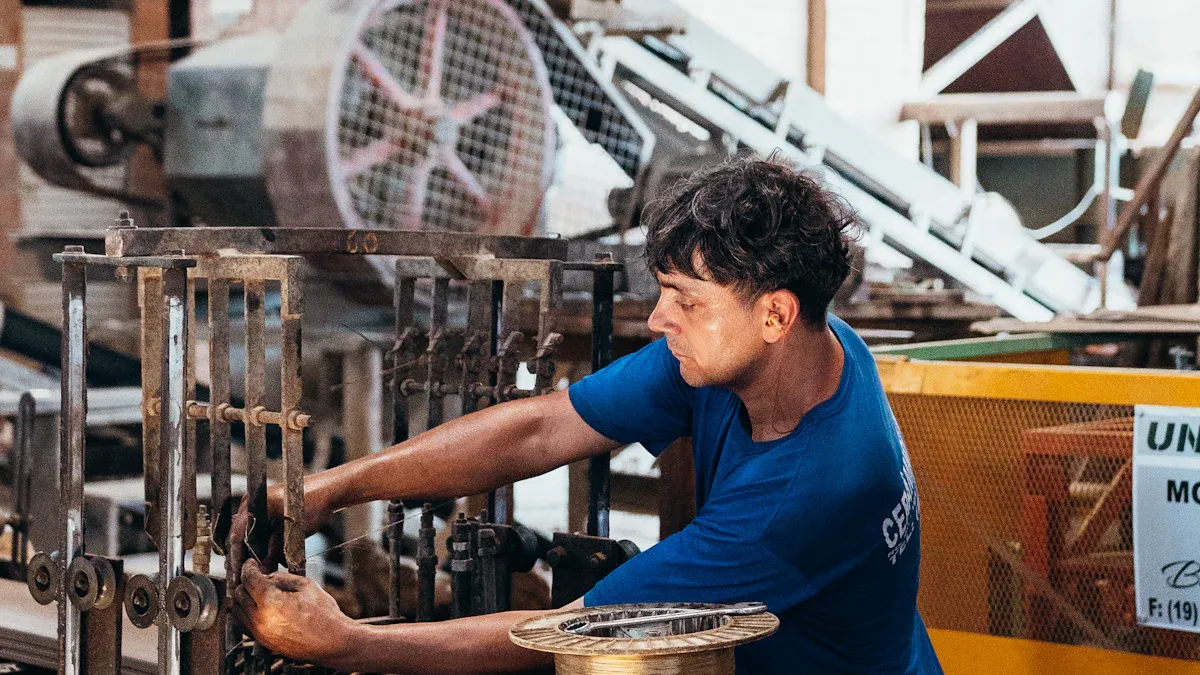
The African textile industry embraces a new era of efficiency. Automatic chenille machines lead this transformation. These advanced systems offer solutions to long-standing production challenges. They promise a future of higher output and reduced operational costs.
Automation for Consistency and Speed
Automation fundamentally changes chenille production. It ensures consistent product quality and significantly boosts manufacturing speed. Modern machines feature independent motors for transmission parts. Operators adjust processes by simply changing parameters on a touchscreen. This enhances both speed and ease of operation. Stepless adjustment for rotating heads, core rollers, output rollers, and ring ingots allows quick process modifications. A servo system for the lifting mechanism ensures stable and reliable winding. This contributes to consistent product quality and easy unwinding.
A separate high-speed motor for the rotary head provides smooth transmission. It eliminates ingot differences. These heads operate at speeds up to 24,000 RPM, directly impacting production speed. High-speed spindles operate at up to 12,000 RPM. They ensure stable and reliable performance for faster production. Advanced motors for core and output rollers maintain stable speeds. They reduce noise and lower the breaking rate. This contributes to consistent output and efficiency.
Key Automatic Chenille Machine Manufacturers Driving Innovation
Several innovative companies drive the development of these crucial technologies. Each automatic chenille machine manufacturer contributes unique advancements. They push the boundaries of what is possible in textile production. LANXIANG MACHINERY, for example, stands out as a specialized automatic chenille machine manufacturer. Established in 2002, the company focuses on high-performance textile machinery. They dedicate significant resources to research and development. Their chenille yarn machines feature independent servo motor drives and precise winding mechanisms. This ensures high-quality chenille and large belly yarn. Such innovations from a dedicated automatic chenille machine manufacturer are vital for Africa’s textile growth.
Advanced Features for Downtime Reduction
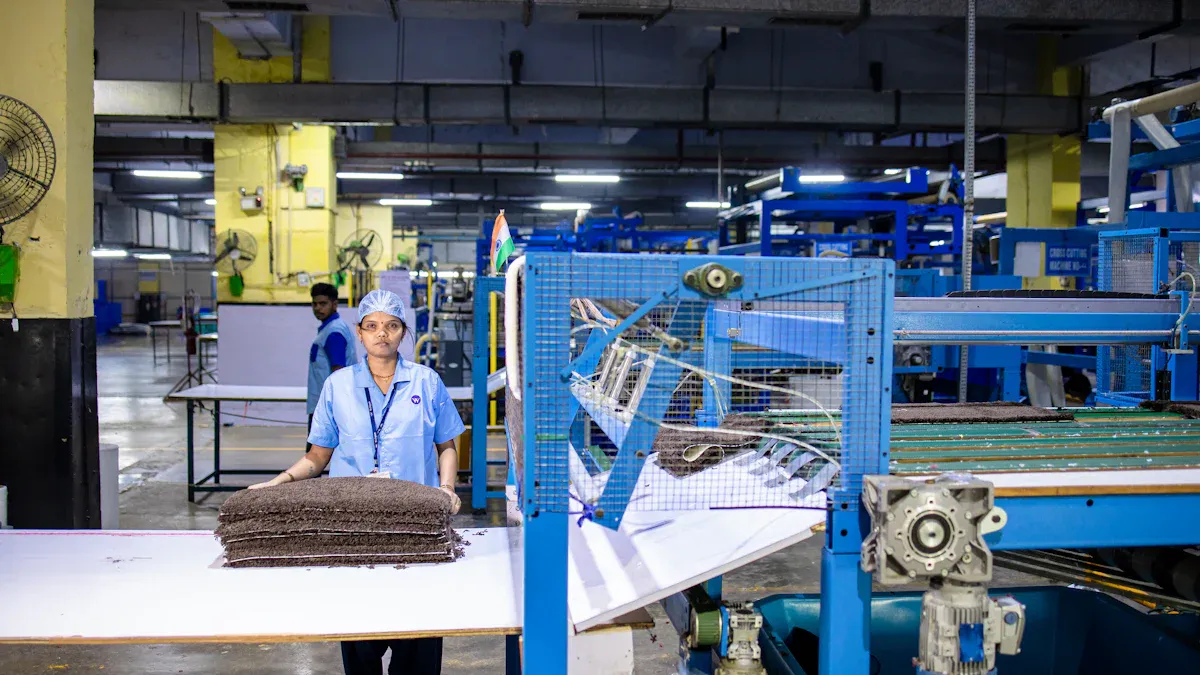
Advanced automatic chenille machines integrate sophisticated features. These features directly target and reduce operational downtime. They transform how textile manufacturers manage their equipment. These innovations ensure machines run longer and more efficiently.
Predictive Maintenance Systems
Smart chenille machines now feature predictive maintenance systems. These systems use advanced sensors. The sensors collect real-time data. They monitor machine vibration, temperature, and motor performance. Artificial intelligence and machine learning algorithms analyze this data. They identify patterns that indicate potential equipment failure. This allows manufacturers to foresee problems. They can schedule maintenance before a breakdown occurs. This proactive approach prevents unexpected downtime. It ensures machines operate continuously. It also optimizes the use of spare parts. This extends the lifespan of the equipment.
Automated Fault Detection and Diagnostics
Automated fault detection and diagnostics are crucial features. These systems constantly monitor machine operations. Integrated sensors track various parameters. If a parameter deviates from normal, the system triggers an alert. It then pinpoints the exact location and nature of the fault. This reduces the time spent on troubleshooting. Technicians receive clear guidance. They can quickly address the issue. This prevents minor problems from becoming major breakdowns. It significantly speeds up the repair process.
Modular Design and Easy Component Replacement
Modern automatic chenille machines incorporate modular designs. This design philosophy makes components easily interchangeable. Manufacturers build these machines with standardized parts. Technicians can quickly remove and replace faulty modules. This reduces the need for complex on-site repairs. It also minimizes specialized training requirements for maintenance staff. A quick swap of a component gets the machine running again. This significantly cuts repair time. It ensures a faster return to production. An innovative automatic chenille machine manufacturer prioritizes this design for efficiency.
Remote Monitoring and Support
Modern automatic chenille machines offer remote monitoring capabilities. These systems connect machines to the internet. They send real-time performance data to a central hub. Technicians can access this data from anywhere. This allows them to monitor machine health continuously. They can identify potential issues before problems escalate. Remote diagnostics help pinpoint the exact cause of a malfunction. This eliminates the need for immediate on-site visits.
An automatic chenille machine manufacturer often provides dedicated support teams. These teams can access machine data remotely. They offer expert advice and troubleshooting. Sometimes, they can even resolve software-related issues remotely. This significantly reduces response times. It minimizes the duration of any unplanned stops. Operators receive alerts on their devices. They know about issues quickly. This proactive approach keeps machines running smoothly. It ensures maximum uptime.
Energy Efficiency and Material Optimization
Advanced automatic chenille machines also focus on energy efficiency. They use optimized motor controls. These controls reduce power consumption during operation. Smart sensors monitor material flow. They ensure precise yarn feeding. This minimizes waste. Less material waste means lower production costs. It also contributes to environmental sustainability.
These machines often feature intelligent power management systems. They adjust energy use based on production demands. This prevents unnecessary energy expenditure. Reduced energy consumption lowers operational expenses. It makes textile production more competitive. Efficient material use also means fewer raw material shortages. This prevents production delays. It ensures a steady supply chain. These features contribute to overall operational stability. They indirectly reduce the impact of any potential downtime. Companies save money and resources. This makes their operations more resilient.
Case Studies and Future Outlook for 2026
The African textile industry stands on the brink of a major transformation. Smart chenille machines are driving this change. Their impact is already visible.
Success Stories from African Mills
African textile mills are experiencing significant improvements. For example, a mill in East Africa implemented new automatic chenille machines. They saw a 25% reduction in unplanned downtime within six months. This led to a 15% increase in overall production capacity. Another manufacturer in West Africa reported a 30% decrease in material waste. Their new machines optimized yarn usage. These successes demonstrate the tangible benefits of adopting advanced technology. Mills now meet demand more consistently. They also achieve higher quality standards. This boosts their competitiveness in global markets.
Training and Local Support for Sustainable Adoption
The successful integration of these machines requires robust support systems. African nations prioritize comprehensive training programs. These programs equip local technicians and operators with essential skills. They learn machine operation, maintenance, and troubleshooting. Partnerships between manufacturers and local vocational schools are emerging. This ensures a steady supply of skilled labor. Furthermore, establishing local service centers is crucial. These centers provide quick access to spare parts and expert assistance. This localized support minimizes response times. It ensures machines remain operational. This approach fosters sustainable growth within the industry.
Continued Innovation and Growth
The future of automatic chenille machines in Africa looks promising. Manufacturers like LANXIANG MACHINERY continue to invest heavily in research and development. They aim to create even more efficient and intelligent machines. Future models will likely feature enhanced AI capabilities. They will offer deeper predictive analytics. This will further reduce downtime. The industry expects continued growth. African textile producers will leverage these innovations. They will strengthen their position in the global textile supply chain by 2026 and beyond. This ongoing commitment to innovation ensures a dynamic and prosperous future.
Advanced automatic chenille machines fundamentally transform the African textile industry. Their predictive, diagnostic, and efficient features drive this significant change. These innovations enhance operational capabilities across the continent. They boost competitiveness for manufacturers. The industry achieves sustainable growth by 2026 and beyond. This technological revolution secures a prosperous future for African textile manufacturing.
FAQ
How do smart chenille machines reduce downtime?
Smart chenille machines use predictive maintenance and automated fault detection. They identify potential issues before breakdowns occur. Modular designs allow quick component replacement. Remote monitoring also helps resolve problems fast. These features keep machines running longer.
What are the main benefits for African textile mills?
African textile mills gain increased production capacity and reduced operational costs. They also achieve higher product quality and consistency. These benefits enhance competitiveness in global markets. Mills can meet demand more reliably.
Which features are most important for efficiency?
Predictive maintenance systems are crucial. Automated fault detection and diagnostics also play a key role. Modular design simplifies repairs. Remote monitoring and support ensure continuous operation. These features collectively boost efficiency.
How does predictive maintenance work?
Predictive maintenance systems use sensors. These sensors collect real-time data on machine performance. AI algorithms analyze this data. They identify patterns indicating potential failures. This allows mills to schedule maintenance proactively.
What role does local support play in machine adoption?
Local support and training are vital. They equip local technicians with necessary skills. This ensures proper machine operation and maintenance. Local service centers provide quick access to spare parts and expert assistance. This minimizes downtime.
Post time: Jan-23-2026