 Phone: +8613567545633
 E-mail: lanxiangmachine@foxmail.com
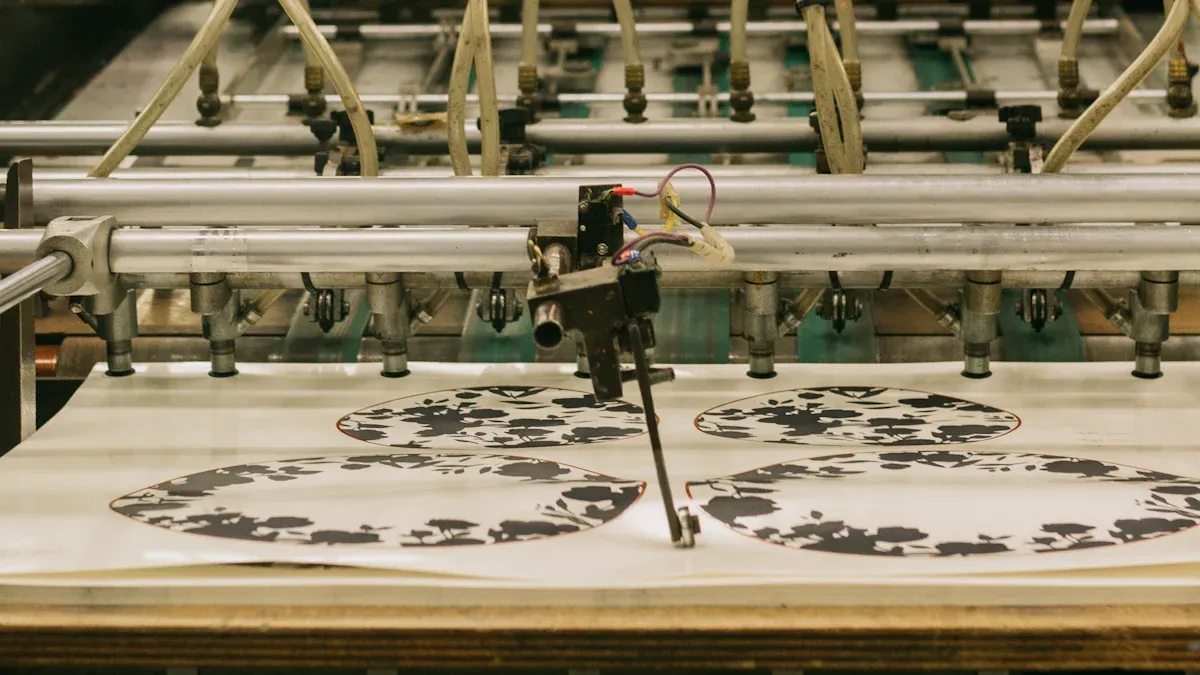
High-speed 24K RPM automatic chenille machines transform Middle Eastern textile manufacturing. These advanced solutions meet the region’s demand for efficiency, quality, and innovative design. Manufacturers enable significant advancements in the Middle East’s textile sector through these technologies. Understanding the chenille machine factory price helps businesses make informed investment decisions.
Key Takeaways
- High-speed 24K RPM automatic chenille machines help Middle East textile makers. They make products faster and better.
- These machines use advanced controls. They create precise stitches and handle many yarn types. This allows for new and complex designs.
- Investing in these machines helps businesses. It lowers costs and improves product quality. This makes them more competitive in the world market.
Driving Demand for High-Speed Chenille in the Middle East

Market Growth in Apparel, Home Textiles, and Automotive Interiors
The Middle East textile market experiences significant expansion across several key sectors. Apparel, home textiles, and automotive interiors consistently drive this growth. Consumers in the region increasingly demand high-quality, innovative products. Chenille fabrics, with their unique textures and luxurious aesthetics, find widespread application. They appear in high-end fashion garments, decorative home furnishings, and premium vehicle interiors. This includes everything from plush carpets to sophisticated car seat covers. The region’s robust economic development and evolving consumer preferences fuel this increasing demand. Manufacturers actively seek advanced production methods. They aim to produce more sophisticated and diverse chenille products efficiently. This strategic focus helps them capture a larger share of these burgeoning markets.
Overcoming Traditional Manufacturing Limitations
Traditional chenille production often faces considerable limitations. Manual processes are inherently slow and labor-intensive, impacting overall output. They struggle to maintain consistent quality and uniform yarn tension across large production runs. Furthermore, older methods restrict the complexity of designs manufacturers can achieve, limiting creative potential. Such limitations hinder both production volume and design flexibility, making it difficult to scale operations. High-speed automatic chenille machines effectively overcome these challenges. They offer rapid production cycles, significantly boosting output capacity. These advanced machines ensure uniform quality and precise stitching, even with intricate patterns. They also support diverse yarn applications, expanding design possibilities for manufacturers. This technological shift allows Middle Eastern manufacturers to meet market demands efficiently. It also significantly enhances their competitive edge in the global textile arena.
Core Advantages of 24K RPM Automatic Chenille Machines
Unmatched Speed and Production Efficiency
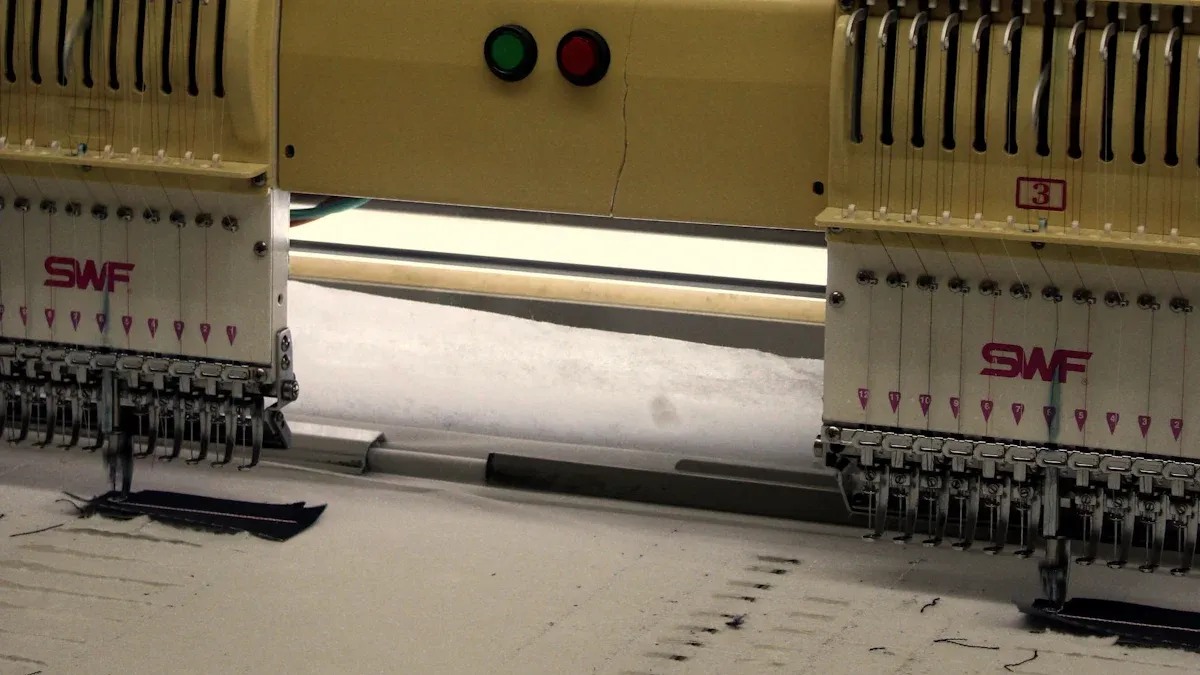
High-speed 24K RPM automatic chenille machines redefine production benchmarks. These machines operate at exceptional speeds, significantly boosting output. Rotating heads achieve speeds up to 24,000 RPM, while spindles reach 12,000 RPM. This rapid operation translates directly into higher production volumes. Manufacturers can fulfill large orders quickly. They also meet tight deadlines with greater ease. The increased speed drastically reduces manufacturing time per unit. This efficiency allows businesses to scale operations effectively. It also helps them respond swiftly to market demands. Ultimately, these machines maximize throughput and optimize resource utilization.
Precision Stitching and Advanced Yarn Control
Precision is a hallmark of 24K RPM automatic chenille machines. They feature independent servo motor drives for rollers. This technology allows for separate and overall speed adjustments. It ensures consistent yarn tension and uniform stitch formation. Servo-driven lifting mechanisms provide precise winding. This prevents irregularities in the yarn tubes. Frequency converter-controlled ring and hollow ingots minimize ingot differences. Such advanced control systems guarantee high-quality chenille and large belly yarn. The machines produce stable patterns consistently. This meticulous control reduces yarn breakage rates. It also ensures superior product quality, even with complex designs.
Versatility for Diverse Yarns and Intricate Designs
Automatic chenille machines offer remarkable versatility. They accommodate a wide range of yarn types. This includes various fibers and blends. Manufacturers can produce high-quality chenille and large belly yarn. The machines support intricate design patterns. This capability expands creative possibilities for textile designers. Businesses can experiment with new textures and visual effects. They can also cater to diverse market segments. This versatility allows for product differentiation. It helps manufacturers stay competitive in a dynamic industry. The machines empower innovation in textile product development.
Enhanced Automation and User-Friendly Operation
These advanced machines prioritize automation and ease of use. Stepless speed control for rotating heads and rollers simplifies operation. A user-friendly touchscreen interface allows for quick process adjustments. Operators can fine-tune settings with minimal effort. The machines also feature automatic stop functionality. This activates when yarn tubes are full. It prevents overfilling and reduces waste. Such automation minimizes manual intervention. It also lowers labor costs. Operators require less training due to the intuitive controls. This combination of automation and user-friendliness enhances overall operational efficiency. It also contributes to a smoother production workflow.
Impact on Middle East Textile Innovation and Competitiveness
Accelerating Time-to-Market for New Textile Products
High-speed automatic chenille machines significantly reduce the time it takes to bring new textile products to market. Manufacturers can quickly move from design concept to finished product. This rapid turnaround allows businesses to respond faster to changing fashion trends. They can also meet consumer demands more efficiently. The ability to produce samples and full production runs quickly gives companies a competitive edge. It helps them capture market share ahead of rivals. This acceleration in product development cycles is vital for innovation. It ensures Middle Eastern textile companies remain agile and responsive in a fast-paced global industry.
Elevating Product Quality and Design Sophistication
These advanced machines dramatically improve the quality and design of textile products. They achieve consistent stitch formation and precise yarn placement. This precision results in superior fabric quality. It also allows for the creation of highly intricate and sophisticated designs. Manufacturers can now produce textiles with complex patterns and textures. This capability opens new avenues for creativity and product differentiation. For example, these machines enable the production of:
- High-density chenille curtains, weighing 450g/m² or more, for home textiles. These curtains showcase enhanced quality and luxurious feel.
- Faux mink knitting yarn, used for coats, demonstrates sophisticated material design. It offers a premium look and texture.
- Gradient-color cut-pile sofa fabrics for decor. These fabrics illustrate advanced aesthetic capabilities and complex visual effects.
Such innovations elevate the overall appeal and value of Middle Eastern textile goods.
Cost-Effectiveness and Return on Investment
Investing in 24K RPM automatic chenille machines offers significant cost-effectiveness and a strong return on investment. The high production speeds reduce labor costs per unit. They also minimize energy consumption compared to older, less efficient machines. Precision control reduces material waste, saving on raw material expenses. The machines’ durability and reliability mean less downtime for maintenance. This ensures continuous production. Over time, these operational efficiencies lead to substantial cost savings. They also boost profitability for textile manufacturers. The initial investment quickly pays for itself through increased output and reduced operational expenditures.
Promoting Sustainable Textile Practices
Modern automatic chenille machines contribute to more sustainable textile practices. Their precise yarn control minimizes waste during production. This reduces the amount of discarded material. The machines’ energy efficiency lowers the carbon footprint of manufacturing operations. Optimized production processes also mean fewer resources are consumed overall. By producing high-quality, durable products, these machines support a longer product lifespan. This reduces the need for frequent replacements. Middle Eastern textile companies can meet growing demands for eco-friendly products. They can also align with global sustainability goals. This commitment to sustainability enhances their brand reputation and attracts environmentally conscious consumers.
Selecting the Right Automatic Chenille Machine Manufacturer
Key Considerations: Technology, Support, and Customization
Choosing the right automatic chenille machine manufacturer requires careful evaluation. Businesses must prioritize advanced technology. They should look for manufacturers offering cutting-edge features. Robust after-sales support is also crucial. This ensures smooth operation and quick problem resolution. Customization options allow machines to meet specific production needs. A manufacturer’s commitment to innovation and customer service significantly impacts long-term success. These factors often outweigh the initial chenille machine factory price.
Understanding Chenille Machine Factory Price and Value
The chenille machine factory price represents more than just the purchase cost. It reflects the machine’s overall value. A higher chenille machine factory price often indicates superior technology and durability. It also suggests better performance and lower maintenance needs. Businesses should consider the total cost of ownership. This includes energy consumption, spare parts availability, and potential downtime. A seemingly low chenille machine factory price might lead to higher operational costs later. Smart investors understand that true value comes from efficiency and reliability, not just the initial chenille machine factory price. They evaluate the return on investment over the machine’s lifespan.
Real-World Applications and Success Stories
Many Middle Eastern textile companies have achieved remarkable success. They invested in high-speed automatic chenille machines. These machines enabled them to expand product lines. They also improved production efficiency. For example, a leading home textile producer significantly increased output. They also enhanced fabric quality for luxury curtains. Another company diversified into automotive interiors. They produced high-quality chenille fabrics for car seats. These success stories demonstrate the transformative power of advanced chenille technology. They highlight how the right investment, considering the chenille machine factory price and its long-term benefits, drives innovation and market leadership.
High-speed 24K RPM automatic chenille machines represent strategic investments for the Middle East. These advanced technologies actively drive innovation, enhance efficiency, and boost global competitiveness. They solidify the region’s position as a leader in advanced textile manufacturing. Manufacturers gain significant advantages in the global market.
FAQ
What makes 24K RPM automatic chenille machines so efficient?
These machines operate at high speeds. Rotating heads reach 24,000 RPM. Spindles achieve 12,000 RPM. This significantly boosts production volume and reduces manufacturing time.
Can these machines handle different types of yarn?
Yes, they offer great versatility. Manufacturers can use various fibers and blends. This allows for diverse chenille and large belly yarn production.
How do these machines benefit Middle Eastern textile manufacturers?
They accelerate time-to-market for new products. They also elevate product quality and design sophistication. This enhances competitiveness and drives innovation.
Post time: Dec-23-2025