 Phone: +8613567545633
 E-mail: lanxiangmachine@foxmail.com
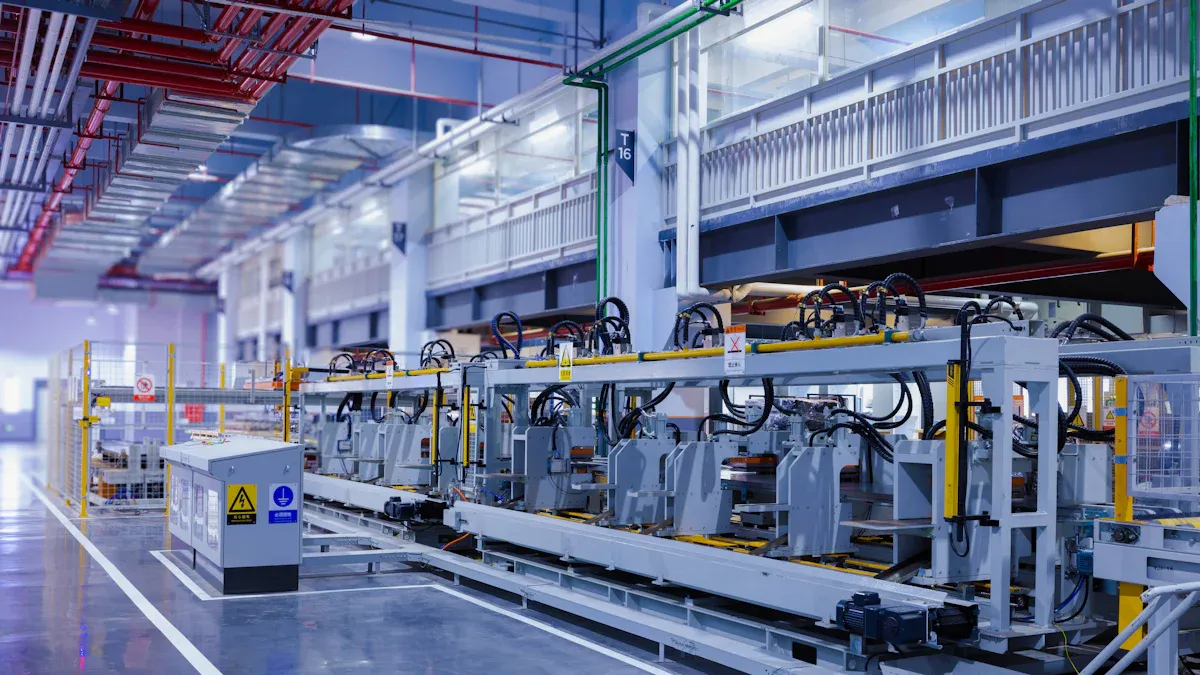
High-speed automatic chenille machines will redefine Middle East textile innovation by 2026. This advanced technology promises significant advancements in production efficiency, intricate design capabilities, and overall market competitiveness. Businesses in the region must understand the current trends. They also need to know the chenille machine factory price for these units. This understanding is crucial for fostering regional growth and strategic investment.
Key Takeaways
- High-speed chenille machines will change the Middle East textile industry by 2026. They will make production faster and designs better.
- These machines use new technology. This includes fast output systems and smart controls. They make yarn quickly and with good quality.
- The machines help textile companies make more products. They also create new designs. This helps meet customer needs for special items.
- The price of these machines changes. It depends on their features and where they are made. Companies should look at the total cost, not just the buying price.
- Middle Eastern companies face challenges like high costs and needing skilled workers. But these machines offer chances for new products and more exports.
The Evolution of High-Speed Automatic Chenille Machines
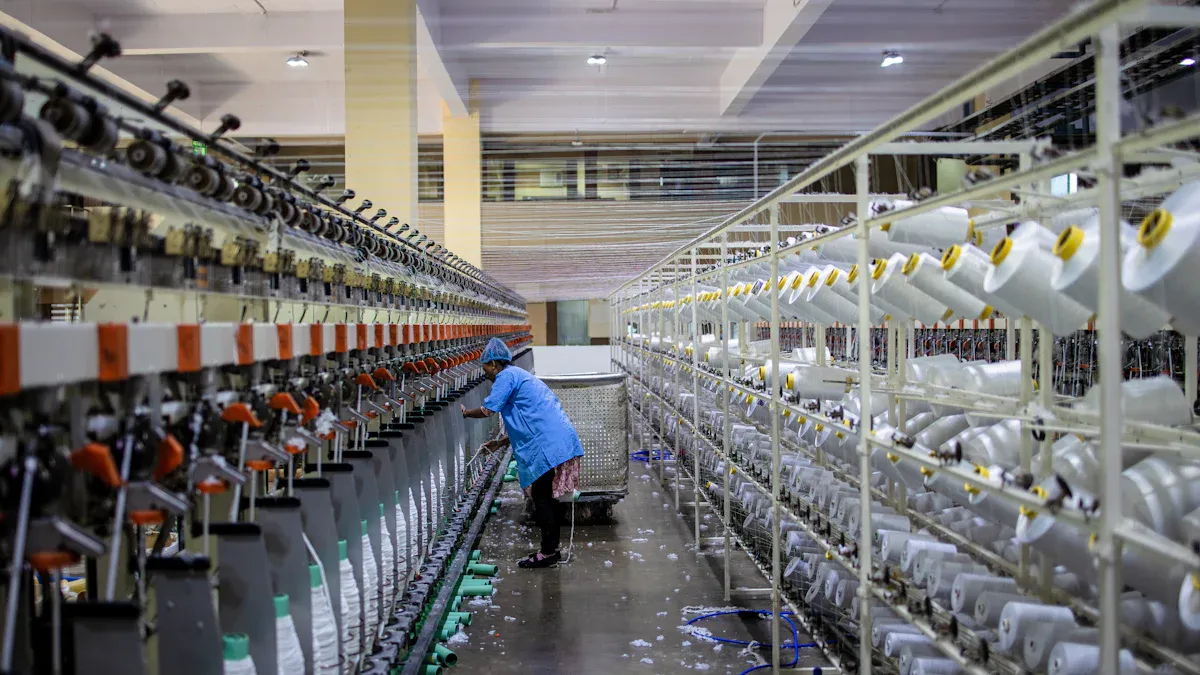
Defining High-Speed Chenille Technology
High-speed chenille technology represents a significant leap in textile manufacturing. These machines produce chenille yarn at unprecedented speeds. They integrate advanced mechanics and electronics. This integration allows for precise control over yarn characteristics. A typical high-speed machine boasts impressive specifications:
| Characteristic | Value |
|---|---|
| Quantity of Spindles | 200 spindles/set |
| Spindle Distance | 200 mm |
| Roller Diameter | 29.5 mm |
| Ring Diameter | 75 mm, 90 mm, 112 mm |
| Lifting Distance | 300 mm (Adjustable) |
| Spindle Rotate Speed | 3000-12000 rpm |
| Rotary Head Speed | 500-24000 rpm |
| Production Speed | 4-18.5 M/min |
| Total Power | 40 kW |
These machines achieve high production rates. They maintain consistent yarn quality.
Key Technological Advancements Driving Performance
Several innovations power the superior performance of modern chenille machines. These advancements enhance efficiency and precision. They also reduce waste.
- High-speed output system: This system features reinforced transmission. It also has optimized yarn delivery. This ensures stable, high-speed operation for large-scale production.
- PLC intelligent control system: This system enables real-time monitoring. It also allows automated process adjustments. It integrates seamlessly with servo drives.
- Independent five-servo drive system: This system provides precise coordination. It offers customization for core yarn guidance, tension adjustment, and winding.
- Single-spindle independent control: Each spindle operates independently. This improves accuracy. It allows flexible customization. It also reduces waste.
- Intelligent fault detection system: Sensitive yarn sensors monitor each spindle. They independently stop a faulty spindle. This prevents halting the entire machine.
These features contribute to higher output and better product quality.
Global Market Overview and Adoption Trends
The global market for high-speed automatic chenille machines shows robust growth. Textile manufacturers worldwide recognize their value. They adopt these machines to meet increasing demand for diverse chenille products. Asia, particularly China and India, leads in adoption. European and North American markets also show steady integration. Manufacturers seek machines offering greater automation and energy efficiency. This trend reflects a global push for sustainable and cost-effective production methods. The Middle East is now rapidly joining this trend. It aims to modernize its textile industry.
Impact on Middle East Textile Innovation by 2026

High-speed automatic chenille machines will significantly transform the Middle East textile industry by 2026. This technology offers substantial improvements across various aspects of textile production. It will drive innovation and competitiveness in the region.
Enhancing Production Efficiency and Output
These advanced machines dramatically boost production efficiency and output for Middle Eastern textile factories. They operate at speeds up to 24,000 RPM, which allows manufacturers to produce more chenille yarn in less time. This increased speed directly translates into higher output volumes. Emerging markets in the Middle East and Africa show increased activity due to expanding textile infrastructure. This indicates a growing demand for advanced textile machinery. High-speed automatic chenille machines meet this demand.
Governments in the Middle East actively foster domestic textile zones. These initiatives integrate high-speed embroidery lines with design innovation centers. This strategic push aims to modernize and enhance textile production capabilities. Adopting advanced machinery like high-speed automatic chenille machines boosts efficiency and output. Factories can fulfill larger orders and reduce lead times. This makes them more responsive to market demands.
Enabling New Design Possibilities and Product Diversification
High-speed chenille machines unlock new design possibilities and promote product diversification. They allow for the creation of intricate and customized chenille patterns. These patterns include multi-color designs, varying textures, and different pile heights. The machines produce plush, three-dimensional textures. They also incorporate new materials and colors. This capability allows designers to experiment with complex aesthetics.
Manufacturers can blend flat embroidery with dimensional chenille within a single design. This is especially true for combo configurations of high-speed chenille machines. This versatility enables the creation of unique textile products. These products range from luxurious home furnishings to high-fashion apparel. The ability to produce diverse and sophisticated designs helps Middle Eastern textile companies capture new market segments. It also differentiates their offerings from global competitors.
Addressing Regional Demands for Customization and Quality
The Middle East market places a high value on customization and quality. High-speed automatic chenille machines meet these specific regional demands. Their precise control systems ensure consistent yarn quality. This results in superior finished products. The independent five-servo drive system provides precise coordination. It offers customization for core yarn guidance, tension adjustment, and winding. This allows for fine-tuning of yarn characteristics.
The machines’ ability to create intricate, customized patterns directly addresses the demand for personalized products. Consumers and businesses in the region often seek unique designs. They also look for high-quality textiles. These machines enable manufacturers to offer bespoke solutions. This includes custom carpets, upholstery, and decorative fabrics. The intelligent fault detection system monitors each spindle. It independently stops a faulty spindle. This prevents halting the entire machine. This feature minimizes defects and maintains high production standards. This commitment to quality and customization strengthens the market position of Middle Eastern textile businesses.
Case Studies of Early Adopters in the Middle East
Several forward-thinking textile manufacturers in the Middle East have already embraced high-speed automatic chenille machines. Their experiences offer valuable insights into the technology’s transformative potential. These early adopters demonstrate how the machines drive innovation and competitiveness.
Case Study 1: Al-Nour Textiles, UAE – Luxury Furnishings
Al-Nour Textiles, a prominent luxury home furnishings manufacturer in the United Arab Emirates, faced increasing demand for bespoke, high-quality chenille fabrics. Their traditional machinery struggled to keep pace with orders. It also limited their design capabilities. In early 2024, Al-Nour Textiles invested in a suite of 24,000 RPM high-speed automatic chenille machines.
- Challenge: Slow production, limited design complexity, and high labor costs.
- Solution: Implemented machines with independent five-servo drive systems and PLC intelligent control.
- Results:
- They increased production output by 60% within six months.
- The company introduced a new line of multi-textured chenille upholstery fabrics. These fabrics featured intricate patterns previously impossible to create.
- They reduced material waste by 15% due to the machines’ precision.
- Al-Nour Textiles secured several high-profile contracts for luxury hotel projects across the GCC region. This expanded their market reach significantly.
Tip: Al-Nour Textiles’ success highlights the importance of integrating advanced control systems for both efficiency and design versatility.
Case Study 2: Saudi Carpets & Rugs Co., Saudi Arabia – Diversified Offerings
Saudi Carpets & Rugs Co., a long-standing producer of traditional and modern carpets, sought to diversify its product portfolio. They aimed to capture a younger, more design-conscious market segment. The company recognized the potential of chenille for creating unique rug textures and patterns. In late 2023, they installed several high-speed chenille machines.
- Challenge: Stagnant product lines, difficulty attracting new customer demographics.
- Solution: Adopted machines capable of producing varied chenille yarn types and colors at high speeds.
- Results:
- The company launched a new collection of contemporary chenille rugs. These rugs featured vibrant colors and soft, plush textures.
- They achieved a 40% increase in sales for their new chenille product line within the first year.
- The machines’ single-spindle independent control allowed for rapid prototyping of new designs. This significantly shortened their product development cycle.
- Saudi Carpets & Rugs Co. established a strong presence in online retail channels. They targeted customers seeking modern home decor.
Case Study 3: Nile Apparel, Egypt – Fashion and Accessories
Nile Apparel, an Egyptian manufacturer specializing in fashion textiles and accessories, identified a growing trend for chenille-embroidered garments and patches. Their existing embroidery machines could not efficiently produce the required volume or quality of chenille elements. They invested in high-speed chenille machines with combo capabilities in early 2024.
- Challenge: Inefficient production of chenille components, inability to meet demand for fashion trends.
- Solution: Integrated high-speed chenille machines that allowed for both yarn production and direct application onto fabrics.
- Results:
- Nile Apparel increased its production capacity for chenille patches and garment embellishments by 70%.
- They developed innovative product lines. These included chenille-detailed hoodies, jackets, and bags.
- The company reduced production costs per unit by 20%. This made their products more competitive in the fast-fashion market.
- They successfully partnered with international fashion brands. This expanded their export opportunities.
These case studies demonstrate the tangible benefits high-speed automatic chenille machines bring to Middle Eastern textile businesses. They show how companies achieve greater efficiency, expand design possibilities, and meet evolving market demands.
Trends in High-Speed Automatic Chenille Machine Factory Price for 2026
Factors Influencing Factory Pricing
Several critical factors determine the factory price of high-speed automatic chenille machines. These elements collectively shape the investment required for textile businesses.
- Technological Sophistication: Machines with advanced features, such as independent five-servo drive systems, PLC intelligent control, and intelligent fault detection, command higher prices. These technologies offer superior precision, efficiency, and automation.
- Manufacturing Origin and Brand Reputation: European and Japanese manufacturers often have higher price points due to their established reputation for engineering excellence, durability, and advanced R&D. Chinese and other Asian manufacturers typically offer more competitive pricing, balancing cost with evolving technology.
- Component Quality and Durability: The quality of materials used in construction, including steel, electronic components, and precision parts, directly impacts the machine’s lifespan and performance. Higher-grade components increase the overall chenille machine factory price.
- Customization and Configuration: Tailored solutions, such as specific spindle counts, unique yarn feeding mechanisms, or integrated software for design, add to the base cost. Manufacturers offer various configurations to meet diverse production needs.
- After-Sales Support and Warranty: Comprehensive warranty packages, technical support, training programs, and readily available spare parts influence pricing. Reliable after-sales service ensures operational continuity and minimizes downtime.
- Global Economic Conditions and Supply Chain: Fluctuations in raw material costs, shipping expenses, and international trade policies can impact manufacturing costs. These external factors often reflect in the final factory price.
Expected Price Ranges and Investment Considerations
The chenille machine factory price for high-speed automatic models in 2026 will vary significantly based on the factors mentioned above. Businesses can expect a range of investment levels.
- Entry-Level Models: These machines typically offer essential high-speed capabilities with fewer advanced automation features. They might range from $50,000 to $100,000. These are suitable for smaller operations or those new to high-speed chenille production.
- Mid-Range Models: These machines provide a balance of advanced features, higher production speeds, and robust construction. They often include more sophisticated control systems and better component quality. Prices for mid-range models could fall between $100,000 and $250,000. They cater to growing businesses seeking enhanced efficiency and versatility.
- High-End Models: These represent the pinnacle of high-speed chenille technology. They feature maximum automation, superior precision, extensive customization options, and premium after-sales support. High-end machines can exceed $250,000, potentially reaching $500,000 or more for highly specialized configurations. Large-scale manufacturers or those with complex production demands typically invest in these models.
Beyond the initial purchase price, businesses must consider additional investment factors. These include installation costs, specialized training for operators, ongoing maintenance contracts, and the cost of spare parts. Proper planning for these ancillary expenses ensures a smooth integration and long-term operational success.
Cost-Benefit Analysis for Middle Eastern Textile Businesses
Middle Eastern textile businesses must conduct a thorough cost-benefit analysis before investing in high-speed automatic chenille machines. The substantial initial investment promises significant long-term returns.
- Increased Production Efficiency: The machines’ high RPM and automated processes dramatically boost output. This reduces production time per unit and allows factories to fulfill larger orders more quickly. This efficiency directly translates into higher revenue potential.
- Reduced Labor Costs: Automation minimizes the need for manual intervention. This leads to lower labor expenses over time. The intelligent fault detection system also reduces the need for constant human monitoring.
- Enhanced Product Quality and Consistency: Precise control systems ensure consistent yarn quality and fewer defects. This results in superior finished products that meet high market standards. High quality strengthens brand reputation and customer loyalty.
- Expanded Design Capabilities: The ability to create intricate patterns and diverse textures opens new avenues for product development. Businesses can diversify their offerings, from luxury home textiles to specialized apparel. This allows them to capture new market segments.
- Competitive Advantage: Adopting this advanced technology positions Middle Eastern businesses at the forefront of textile innovation. It provides a significant edge over competitors still relying on older, less efficient machinery.
- Faster Return on Investment (ROI): While the initial chenille machine factory price may seem high, the combined benefits of increased efficiency, reduced costs, and expanded market reach often lead to a relatively quick return on investment. Businesses can achieve profitability faster and reinvest in further growth.
Strategic procurement and negotiation, coupled with a clear understanding of these benefits, will enable Middle Eastern textile businesses to make informed investment decisions. This ensures they maximize the value from their high-speed automatic chenille machine acquisitions.
Strategies for Procurement and Negotiation
Middle Eastern textile businesses must adopt strategic approaches when procuring high-speed automatic chenille machines. This ensures they secure the best value for their investment. Careful planning and negotiation can significantly impact the overall cost and long-term operational success.
Businesses should first conduct thorough research. They must identify reputable manufacturers known for quality and reliability. This includes evaluating their technological capabilities and after-sales support. Direct engagement with manufacturers often yields better terms. It allows for customized configurations that meet specific production needs.
Consider these key strategies for procurement and negotiation:
- Volume Discounts: Purchasing multiple machines or committing to future orders can often lead to significant price reductions. Manufacturers are more willing to offer discounts for larger commitments.
- Long-Term Partnerships: Building strong relationships with suppliers can result in preferential pricing and service. This includes better warranty terms and faster access to spare parts.
- Total Cost of Ownership (TCO): Do not focus solely on the initial chenille machine factory price. Evaluate the TCO. This includes energy consumption, maintenance costs, and expected lifespan. A machine with a higher initial cost might offer lower operating expenses over time.
- Negotiate Service Contracts: Secure comprehensive service and maintenance agreements. These contracts ensure machine longevity and minimize downtime. They can also include training for technical staff.
- Financing Options: Explore various financing solutions. These include loans, leasing agreements, or government incentives. Many suppliers offer flexible payment plans.
- Technology Upgrades: Discuss future upgrade paths with the manufacturer. This ensures the machine remains relevant as technology evolves. It protects the investment.
Businesses should also leverage industry associations and trade shows. These platforms provide opportunities to compare different models and negotiate directly with suppliers. A well-informed procurement team can secure favorable terms. This maximizes the return on investment for these advanced textile machines.
Challenges and Opportunities for Adoption in the Middle East
Overcoming Initial Investment Barriers and Skill Gaps
Middle Eastern textile businesses face significant hurdles when adopting high-speed chenille machines. The initial investment cost presents a major barrier. These advanced machines carry a substantial chenille machine factory price. Companies must secure adequate financing. Governments and financial institutions can offer loans or subsidies. This support eases the financial burden. Another challenge involves skill gaps. Operating and maintaining these complex machines requires specialized expertise. Factories need to invest in comprehensive training programs for their workforce. Partnerships with machine manufacturers or vocational schools can bridge this knowledge gap. Partnership
Opportunities for Regional Specialization and Export Growth
Despite the challenges, high-speed chenille machines unlock immense opportunities for the Middle East. The region can develop unique textile products. This leads to regional specialization. Manufacturers create bespoke designs for local markets. They also cater to international demand. The machines enable high-quality, customized chenille fabrics. This positions Middle Eastern textiles competitively on the global stage. Increased production capacity supports export growth. Businesses can target new markets in Europe, Asia, and Africa. This expands their global footprint.
The Role of Government Initiatives and Industry Partnerships
Government initiatives play a crucial role in fostering adoption. Policies that encourage technology transfer are vital. Governments can provide tax incentives for companies investing in advanced machinery. They also establish industrial zones with modern infrastructure. Industry partnerships further accelerate progress. Collaborations between local manufacturers and international technology providers share knowledge. They also facilitate training. These partnerships drive innovation. They ensure the Middle East remains competitive in the global textile industry. Growth
High-speed automatic chenille machines are pivotal for Middle East textile innovation by 2026. Strategic adoption of this technology will drive significant improvements in efficiency, design versatility, and market competitiveness across the region. Businesses must carefully consider current trends and the chenille machine factory price. This careful evaluation is essential for successful integration and maximizing their investment. These advanced machines empower the Middle East’s textile industry to achieve new levels of production and creativity.
FAQ
What defines a high-speed automatic chenille machine?
High-speed automatic chenille machines produce chenille yarn very quickly. They integrate advanced mechanics and electronics. These machines feature high RPMs, often up to 24,000. They include intelligent control systems and independent spindle operation. This ensures high efficiency and precise yarn quality.
How will these machines impact Middle East textile production by 2026?
These machines will significantly boost production efficiency and output. They enable new design possibilities and product diversification. Middle Eastern companies can meet demands for customization and high quality. This technology will enhance the region’s competitiveness in the global textile market. Growth
What is the expected price range for these machines in 2026?
The factory price varies based on features and origin. Entry-level models may cost $50,000 to $100,000. Mid-range machines typically fall between $100,000 and $250,000. High-end models, with maximum automation, can exceed $250,000.
What are the main challenges for adoption in the Middle East?
Initial investment costs present a significant barrier. Companies need substantial financing. Skill gaps also exist. Operating and maintaining these complex machines requires specialized expertise. Businesses must invest in training programs for their workforce. Partnership
Post time: Dec-23-2025